Last Updated on August 24, 2026 by jparadiso
Mastering Your Inbox Placement: The Ultimate Guide to Content Spam Checking
To keep your emails out of the spam box, effective content spam checking is essential. It involves analyzing email content, formatting, and sender practices against known spam triggers and filters to identify and rectify issues before sending. This proactive approach significantly boosts email deliverability, improves inbox placement, and safeguards your sender reputation, ensuring your messages successfully reach their intended audience.
Why Your Emails Land in the Spam Box: Understanding the Core Issues
Emails end up in the spam box for a multitude of reasons, ranging from technical misconfigurations to the very content within your message. Understanding these underlying issues is the first step towards improving your email marketing performance and ensuring high inbox placement. It’s not just about what you say, but also how you say it, and who you’re sending it to.
Technical Red Flags: Beyond Content
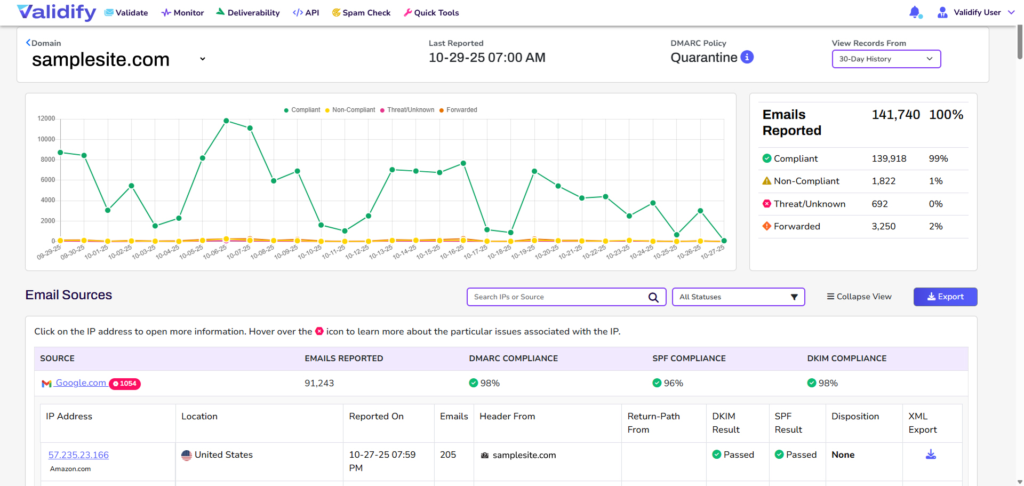
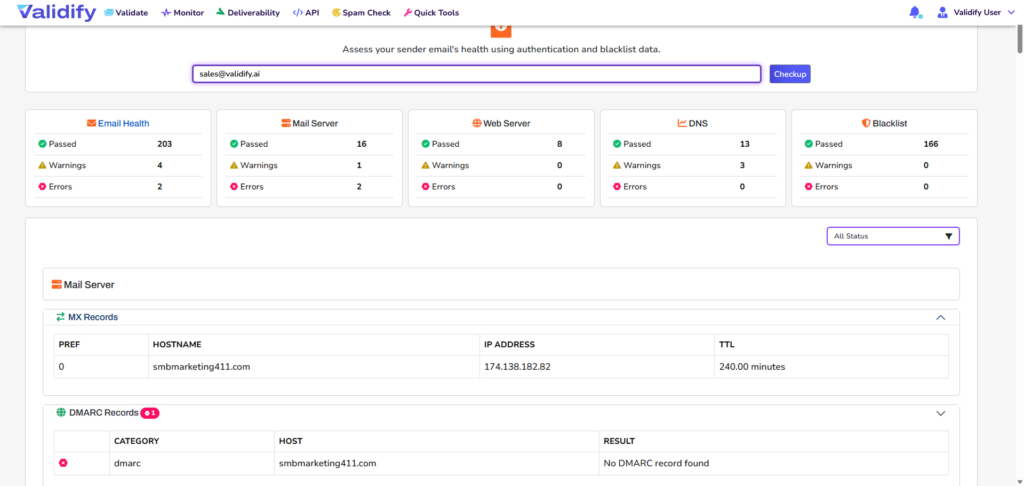
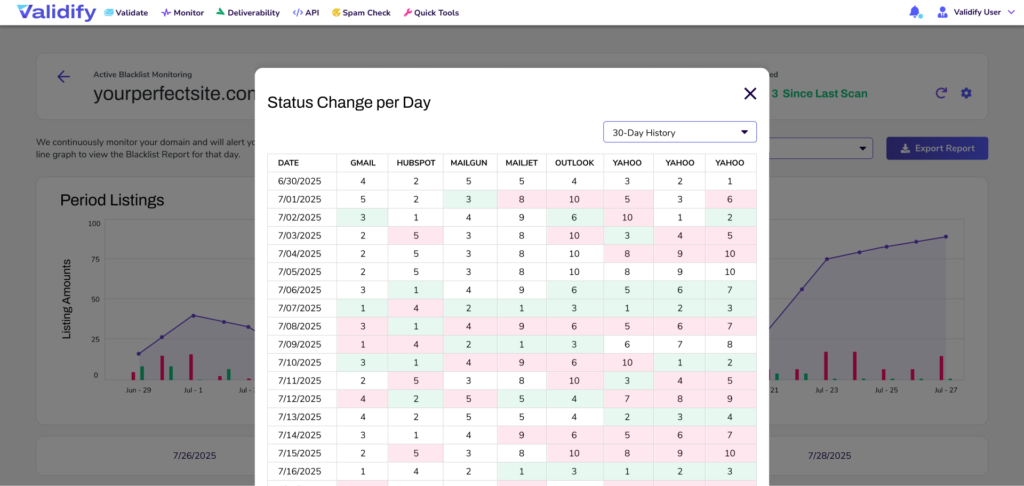
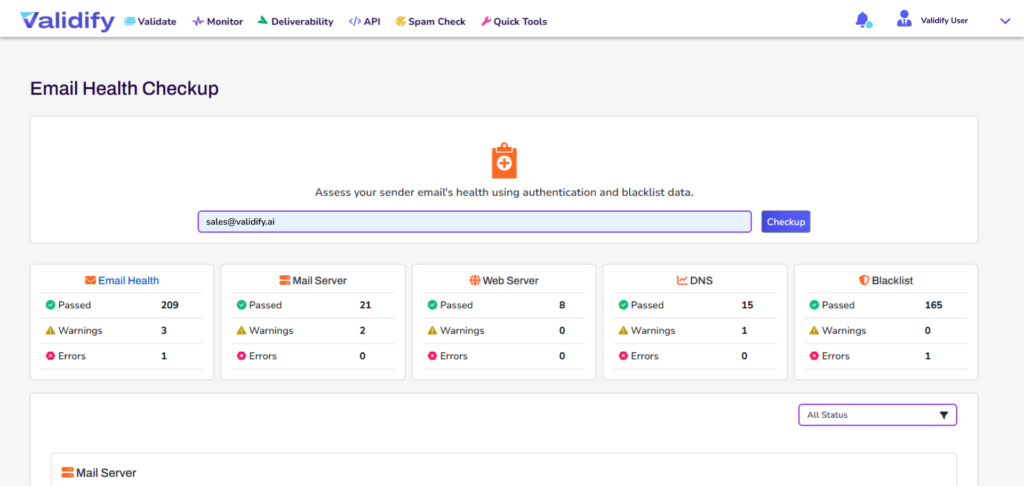
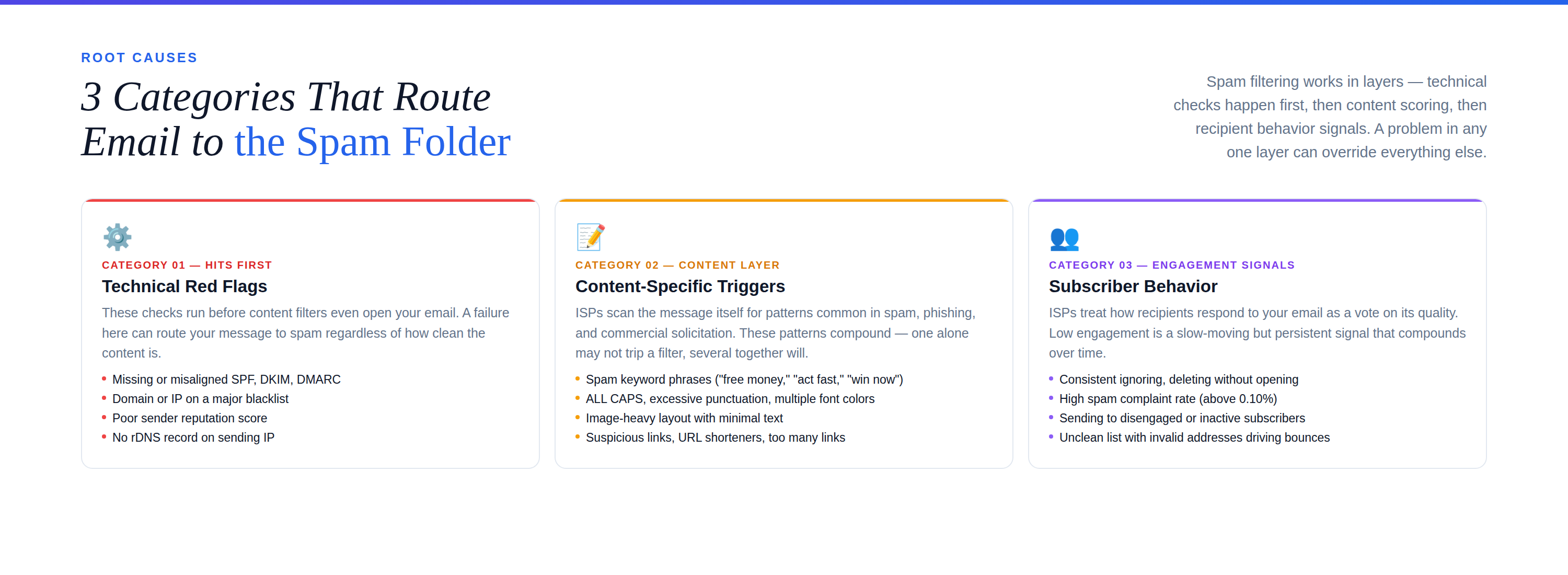
While content is crucial, technical aspects often play an equally, if not more, significant role in deliverability. Issues such as a poor sender reputation, lack of proper authentication (SPF, DKIM, DMARC), or being listed on blacklists can flag your emails as suspicious before content filters even come into play. A low sender reputation, for instance, signals to ISPs that you might be a source of unwanted mail, immediately jeopardizing your inbox placement. Validify’s DMARC monitoring and blacklist monitoring services are specifically designed to help identify and resolve these critical technical issues, acting as a preventative measure against poor deliverability.
Subscriber Engagement: The Silent Deliverability Killer
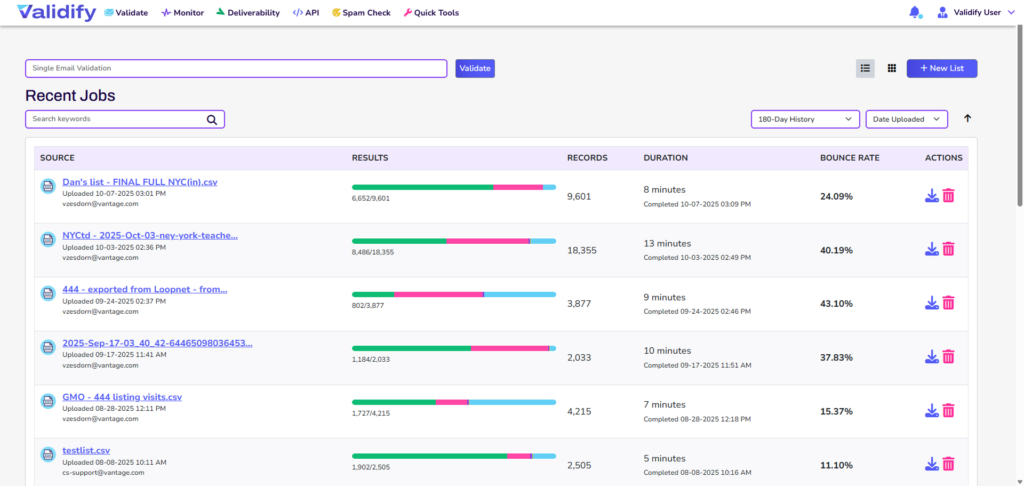
Low subscriber engagement is a major indicator to Internet Service Providers (ISPs) that your emails might not be valued, leading them to divert your messages to the spam folder. If recipients consistently ignore, delete without opening, or mark your emails as spam, ISPs will infer that your content isn’t relevant. This negatively impacts your sender reputation and, consequently, your inbox placement. Regularly cleaning your email list to remove inactive or disengaged subscribers is crucial for maintaining a healthy sender reputation and improving overall email deliverability. Validify specializes in email validation and list cleaning, ensuring your marketing efforts are focused on genuinely interested recipients.
Content-Specific Triggers: The Words and Formatting That Hurt
Email content itself can contain numerous elements that trigger spam filters. These triggers are often designed to catch characteristics common in unsolicited commercial email or phishing attempts. Recognizing and avoiding these patterns is vital for effective content spam checking.
Spammy Keywords and Phrases
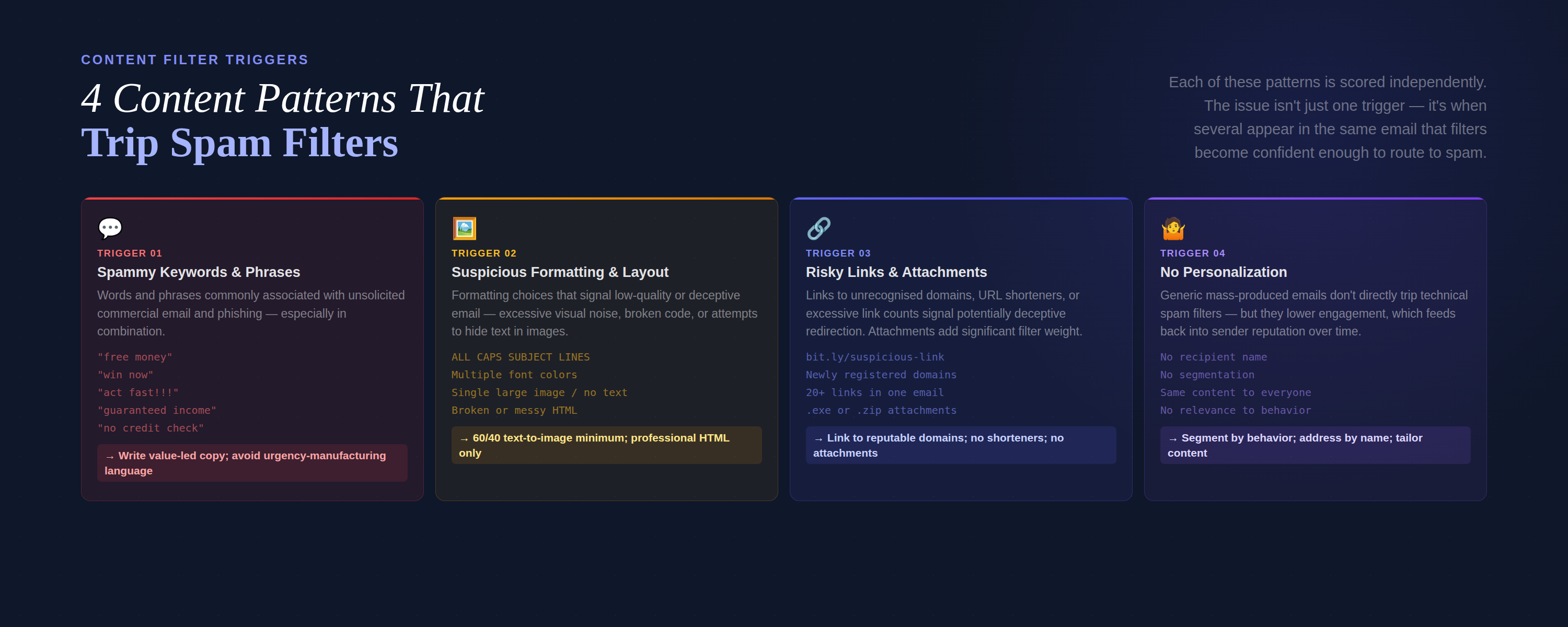
Certain words and phrases are red flags for spam filters. These often include promises of instant wealth, urgency-creating language, or overly promotional terms. Examples include: “free money,” “win now,” “act fast,” “limited time offer,” “guaranteed income,” “no credit check,” “lose weight fast,” or excessive use of dollar signs and exclamation points. While some of these might seem benign, their overuse or combination with other triggers can significantly increase your spam score. The context in which these words are used is also critical; a genuine transactional email about a “free trial” is different from a promotional email promising “free cash.”
Suspicious Formatting and Layout
How your email looks can also trip spam filters. This includes using excessive capitalization, multiple font colors, oversized fonts, or an unusual ratio of images to text. Emails that consist almost entirely of a single large image with minimal text are also highly scrutinized, as this technique is often used to bypass text-based spam filters. Broken HTML, unformatted plain text, or designs that look unprofessional can also be interpreted as suspicious, hindering your inbox placement.
Risky Links and Attachments
Links to untrusted or newly registered domains, shortened URLs (especially those from suspicious services), or an excessive number of links can increase your spam score. Attachments, especially executable files (.exe, .zip containing .exe), are almost universally flagged by spam filters due to security concerns. Even common document types can be flagged if associated with a suspicious sender or context. Always ensure your links are to reputable domains and avoid unnecessary attachments.
Lack of Personalization and Generic Messaging
Emails that appear generic and mass-produced, lacking personalization, can also signal spam to filters and recipients alike. While not a direct spam trigger in the same way a keyword is, a lack of personalization often leads to lower engagement, higher unsubscribe rates, and more spam complaints, which indirectly impact your sender reputation and email deliverability. Leveraging subscriber data for personalization can make your emails feel more relevant and less like unsolicited mail.
The Validify Approach: Proactive Content Spam Checking for Optimal Deliverability
At Validify, we understand that achieving optimal inbox placement requires a multi-faceted approach, combining robust technical checks with insightful content analysis. Our mission is to empower businesses with the tools and knowledge to maintain excellent email health and achieve superior campaign success. Our AI-powered solutions offer real-time, preventative, and diagnostic capabilities to keep your emails out of the spam box.
Comprehensive Spam Score Analysis
Our advanced spam check tools go beyond simple keyword detection. We analyze your email content against hundreds of criteria used by major ISPs and spam filters, providing a comprehensive spam score. This includes evaluating:
- Content Patterns: Identifying spammy phrases, excessive exclamation marks, ALL CAPS, and suspicious formatting.
- Link and Image Analysis: Checking the reputation of linked domains, identifying too many links, and assessing image-to-text ratio.
- Technical Compliance: Ensuring your email headers, encoding, and overall structure meet industry standards.
- Email Authenticity: Verifying the presence and correctness of SPF, DKIM, and DMARC records to confirm sender legitimacy.
The Importance of Testing Before Sending
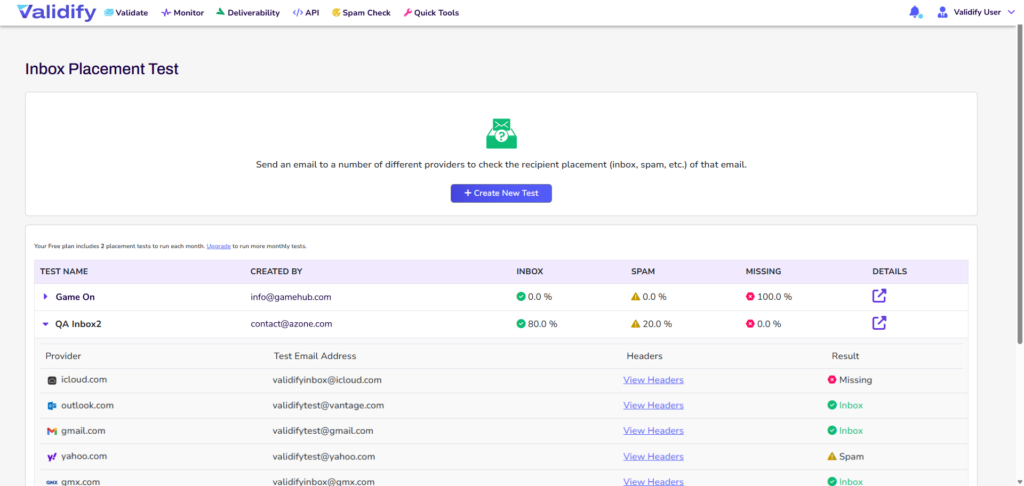
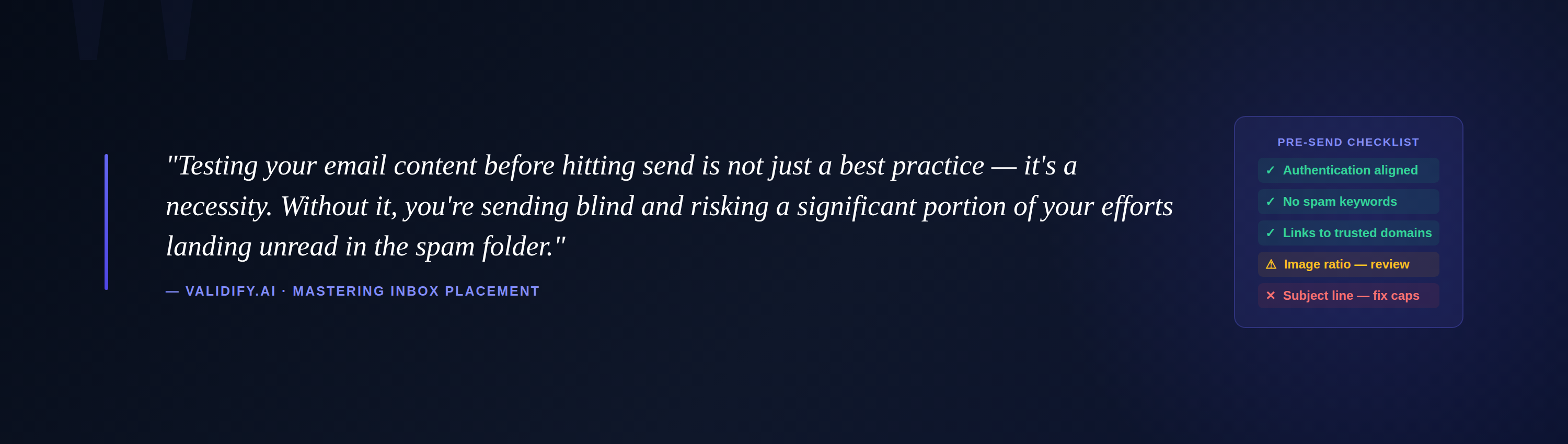
Testing your email content before hitting ‘send’ is not just a best practice; it’s a necessity for maximizing inbox placement. A content spam check allows you to preview how major email clients (Gmail, Outlook, Yahoo, etc.) might classify your message. This diagnostic step helps you identify and rectify potential issues – be they technical or content-related – that could trigger spam filters. Without this critical preventative measure, you’re essentially sending emails blind, risking a significant portion of your marketing efforts ending up unread in the spam folder.
A Holistic View of Email Health
Validify provides a holistic view of your email health, integrating content spam checking with our core services of email validation and list cleaning. By ensuring your list is clean and validated, you reduce bounces and complaints, which in turn boosts your sender reputation. Coupled with our DMARC monitoring and blacklist monitoring, you gain comprehensive protection against technical issues that could impact deliverability. This integrated approach is key to achieving consistent inbox placement and maximizing your return on investment from email marketing.
Best Practices for Crafting Spam-Filter-Friendly Emails
Crafting emails that consistently land in the inbox requires adherence to several best practices. These guidelines help you create content that is valuable to your audience and viewed favorably by spam filters.
1. Build a Quality Email List Organically
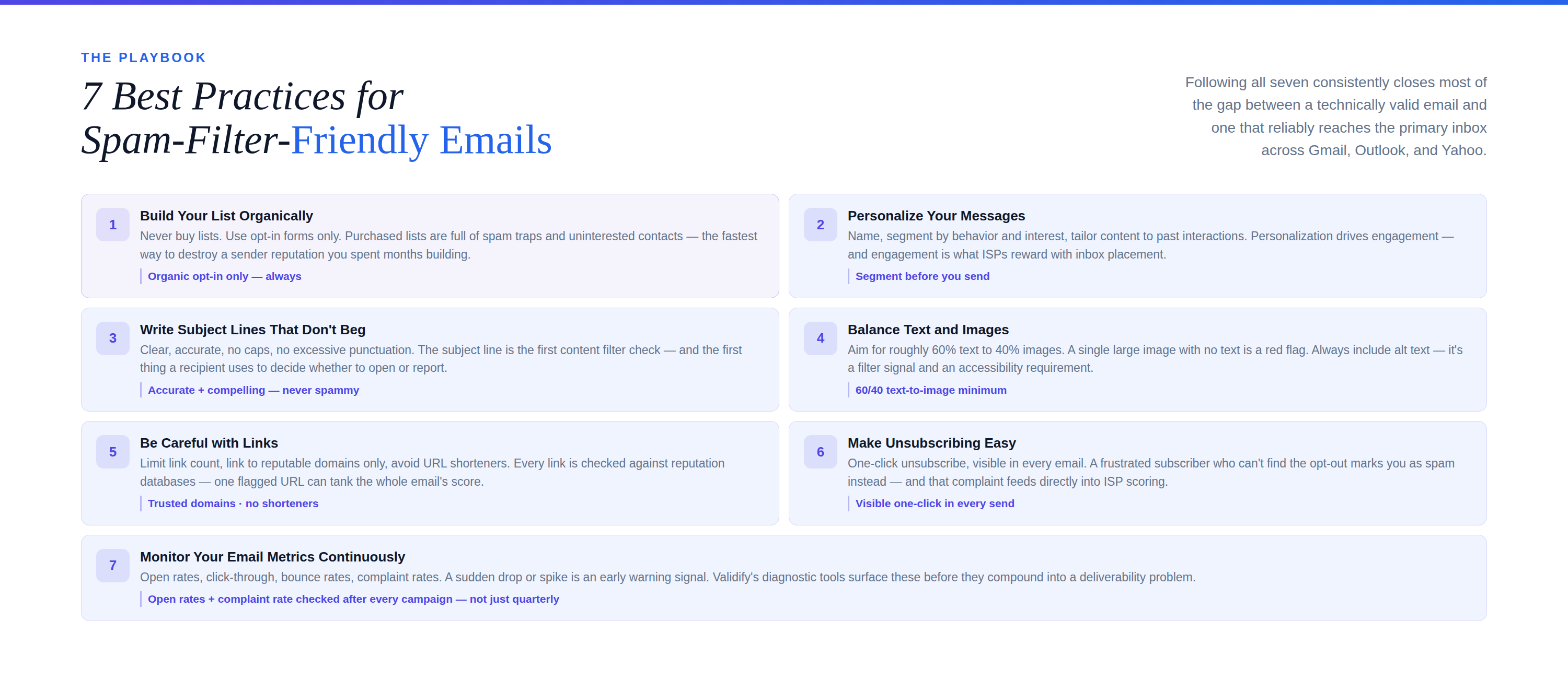
Never buy email lists. Instead, focus on obtaining consent through opt-in forms. This ensures you’re only sending to genuinely interested recipients, leading to higher engagement and fewer spam complaints. A clean, engaged list is the foundation of excellent email deliverability.
2. Personalize Your Messages
Address subscribers by name, segment your audience, and tailor content to their interests and past interactions. Personalization makes your emails more relevant, increasing open rates and reducing the likelihood of being marked as spam. Tools that integrate with your CRM can help automate this process efficiently.
3. Craft Engaging Subject Lines and Preheaders
Avoid spammy phrases, excessive punctuation, and all caps. Aim for clear, concise, and compelling subject lines that accurately reflect the email’s content. The preheader text should complement the subject line, offering a glimpse of the email’s value without resorting to clickbait tactics.
4. Maintain a Balanced Text-to-Image Ratio
While visually appealing, emails with too many images and too little text can be flagged. Aim for a healthy balance, perhaps 60% text to 40% images, ensuring your core message is conveyed in text form. Always use alt text for your images.
5. Be Mindful of Links and Attachments
Limit the number of links, ensure they point to reputable domains, and avoid URL shorteners known for abuse. Refrain from including attachments unless absolutely necessary and ensure they are of trusted file types. If you must send a large file, link to a hosted version instead.
6. Provide a Clear and Easy Opt-Out Option
Making it difficult for subscribers to unsubscribe can lead to frustration and, more importantly, spam complaints. Include a visible, one-click unsubscribe link in every email. This compliance with regulations like CAN-SPAM and GDPR actually helps maintain a healthy list and sender reputation.
7. Consistently Monitor Your Email Metrics
Regularly track your open rates, click-through rates, bounce rates, and spam complaint rates. A sudden drop in open rates or a spike in complaints can indicate a deliverability issue. Validify’s diagnostic tools can help you monitor these vital metrics and alert you to potential problems before they escalate.
The Cost of Not Performing a Content Spam Check
Ignoring the need for a thorough content spam check can have severe repercussions for your email marketing efforts and overall business reputation. The costs are not just monetary but also extend to brand perception and customer relationships.
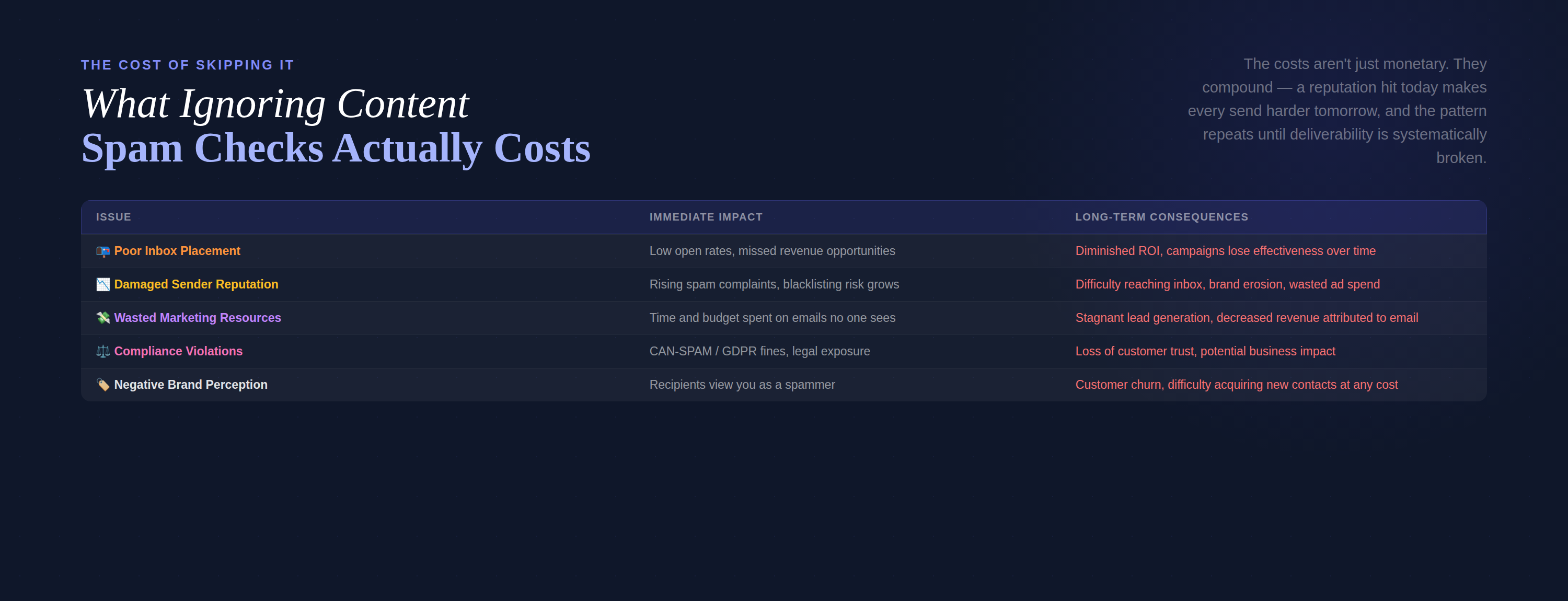
| Issue | Immediate Impact | Long-Term Consequences |
|---|---|---|
| Poor Inbox Placement | Low open rates, missed opportunities | Diminished ROI, reduced campaign effectiveness |
| Damaged Sender Reputation | Increased spam complaints, blacklisting risk | Difficulty reaching inbox, brand erosion, wasted ad spend |
| Wasted Marketing Resources | Inefficient use of time and budget | Stagnant lead generation, decreased sales |
| Compliance Violations | Fines, legal issues | Loss of trust, potential business closure |
| Negative Brand Perception | Seen as spammer, untrustworthy | Customer churn, difficulty acquiring new customers |
These consequences underscore the critical importance of a proactive and continuous content spam checking strategy. Investing in tools and practices that safeguard your email deliverability is an investment in your brand’s future success.
Conclusion: Secure Your Inbox Placement with Validify
Navigating the complexities of email deliverability can be challenging, but with the right tools and strategies, your emails can consistently reach their intended audience. Content spam checking is an indispensable part of this strategy, protecting your sender reputation and maximizing your marketing ROI. Validify provides an AI-powered, real-time, and secure suite of email health tools designed to ensure your messages always land in the inbox.
Don’t let your valuable emails get lost in the spam folder. Explore Validify’s comprehensive solutions today to enhance your email deliverability, improve inbox placement, and achieve unparalleled campaign success. Take control of your email health and ensure every message counts. Visit Validify.ai to learn more and get started.