
Google’s Postmaster Tools v2 shifts Gmail deliverability from “mystery reputation bars” to a compliance‑ and engagement‑driven model, making it clearer when your program is at risk and what to fix. Used well, v2 gives marketers earlier, more precise signals to protect inbox placement and reduce spam-folder surprises.
What changed in Postmaster v2
Google has retired the old Domain and IP Reputation dashboards and is phasing out the v1 interface and API in favor of v2. Instead of showing “high/medium/low” reputation scores, v2 focuses on core signals like spam rate, compliance status, authentication, and feedback loops.
Key structural changes include:
No more visible “reputation bars” for domains and IPs.
A redesigned interface centered on actionable tiles and trend visuals rather than many separate graphs.
New and updated dashboards for Compliance Status, Spam Rate, Authentication, Delivery Errors, Encryption, and Feedback Loop.
New dashboards and deliverability impact
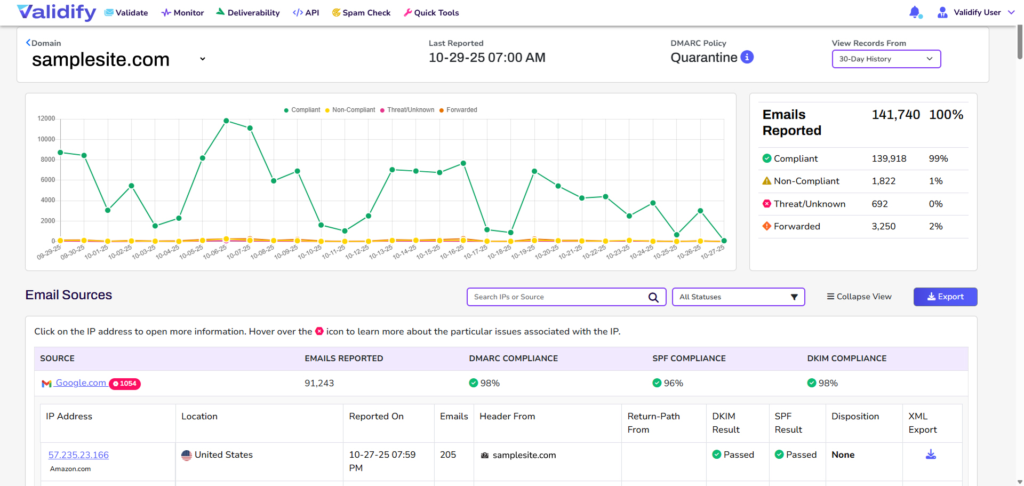
The Spam Rate dashboard has been refined to track user‑reported spam and now includes visual thresholds, so you can see when complaint rates are nearing or breaking Gmail’s limits. Gmail has signaled that keeping spam rates below roughly 0.1% and never letting them hit 0.3% or higher is critical to maintaining good inbox placement.
Other panels:
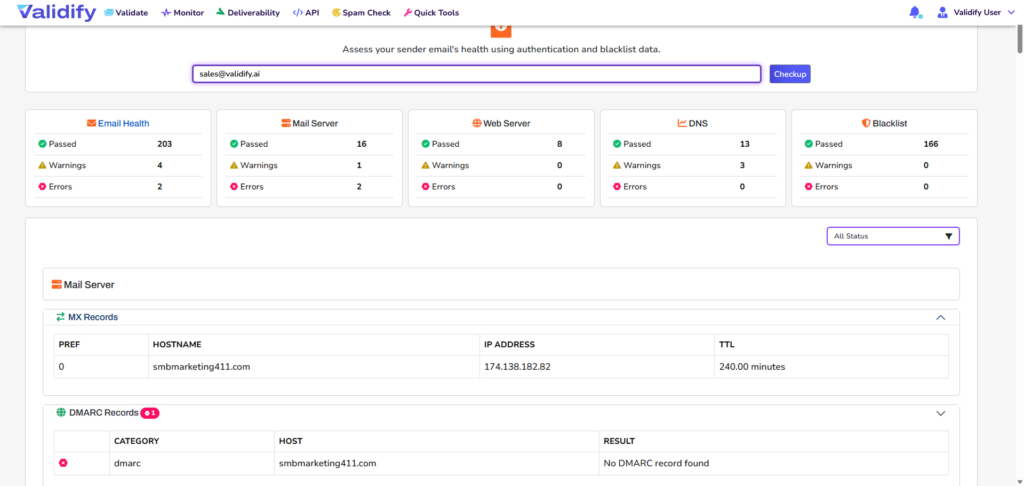
Authentication & Encryption: Show how consistently SPF, DKIM, DMARC, and TLS are applied, directly tying technical hygiene to deliverability outcomes.
Delivery Errors & Feedback Loop: Provide more granular identifiers for issues and complaints so you can pinpoint problematic streams or campaigns.
How Gmail’s priorities shifted
In v2, Gmail is explicitly prioritizing compliance and engagement over legacy reputation scores. The message is that if you pass authentication, align domains correctly, honor unsubscribes quickly, and keep complaints low, inbox placement will follow.
Core requirements that now weigh heavily:
Strong authentication and alignment: SPF and DKIM must pass, with a DMARC policy in DNS and From-domain alignment.
List hygiene and engagement: Low bounce rates (ideally under ~2–3%) and consistent positive engagement are key to avoiding silent filtering.
Unsubscribe behavior: Support one‑click unsubscribe for marketing mail and honor requests quickly to avoid complaints.
Because v2’s metrics map so closely to the 2024–2025 Gmail/Yahoo bulk-sender rules, your performance in Postmaster is now a much more direct predictor of whether campaigns will hit Primary/Promotions or spam.
Practical ways to use v2 to improve deliverability
To turn Postmaster v2 into a deliverability advantage, build it into your weekly operating rhythm.
Actionable practices:
Monitor Compliance Status weekly: Treat any warning or “non‑compliant” indicator as a priority ticket for your ops/dev team.
Watch spam rate around every major campaign: If complaints spike toward 0.1%, tighten targeting, slow frequency, and audit your acquisition sources.
Correlate dashboards with ESP analytics: Overlay Gmail spam-rate and delivery-error trends with campaign reports from your ESP or marketing automation platform to identify which segments or message types trigger issues.
Use Feedback Loop data to refine segments: Suppress or re‑permission cohorts that consistently generate complaints or low engagement.
Organizations that combine Postmaster metrics with their ESP data and adjust in response tend to see meaningful inbox‑rate gains over time. This turns Postmaster v2 from a passive reporting tool into an active part of your deliverability optimization stack.
Strategic implications for email marketers
For marketers, v2 effectively removes guesswork and forces better operational discipline. Instead of interpreting vague reputation bars, teams must manage concrete levers: authentication, permission quality, engagement, and complaint control.
This shift also:
Aligns Gmail monitoring with broader industry trends toward stricter bulk-sender standards.
Encourages cross-team collaboration between marketing, CRM, and engineering to keep technical and programmatic compliance in sync.