
Why Risk Scoring Matters in Email Validation
Email validation has evolved beyond simple checks like syntax, domain existence, and basic mailbox pings. While those steps confirm an address looks usable right now, they often miss deeper issues that can quietly damage deliverability and sender reputation over time.
Many “valid” addresses carry hidden risks:
- Disposable or temporary services that expire quickly
- Catch-all domains prone to spam or low engagement
- Role-based accounts (like info@ or sales@) that frequently trigger complaints
- Patterns linked to spam traps, fraud, or high-velocity sign-ups from bots
Basic validation tools green-light these, but they can lead to bounces, spam reports, and throttling from providers like Gmail, Outlook, and Yahoo. Risk scoring changes that by assigning a probability-based score to each address, estimating its potential to cause problems—now or in the future.
This approach draws on patterns from large-scale email data: domain reputation history, behavioral signals, and trends in abuse or complaints. It provides a more nuanced decision—send, quarantine, or reject—rather than a binary yes/no.
Real-World Impact
In practice, risk scoring helps in several key areas:
- Reducing bounces: It flags addresses likely to fail soon, keeping lists healthier and protecting long-term sender scores.
- Cutting spam complaints: Riskier addresses often end up ignored or reported, hurting reputation. Scoring avoids sending to them.
- Strengthening fraud prevention: During sign-ups or checkouts, it spots junk or bot-created emails early, lowering fake accounts and chargebacks.
- Supporting compliance: With rules around consent and responsible data handling tightening, focusing on low-risk contacts reduces complaint-related risks.
Tools that include risk scoring go further than traditional validation by analyzing these layers in real time or during bulk cleans.
Moving Forward
In an environment with stricter authentication requirements, rising spam tactics, and constant pressure on inbox placement, sticking to surface-level validation leaves too much to chance. Risk scoring adds the intelligence needed to maintain reliable deliverability and protect campaigns effectively.
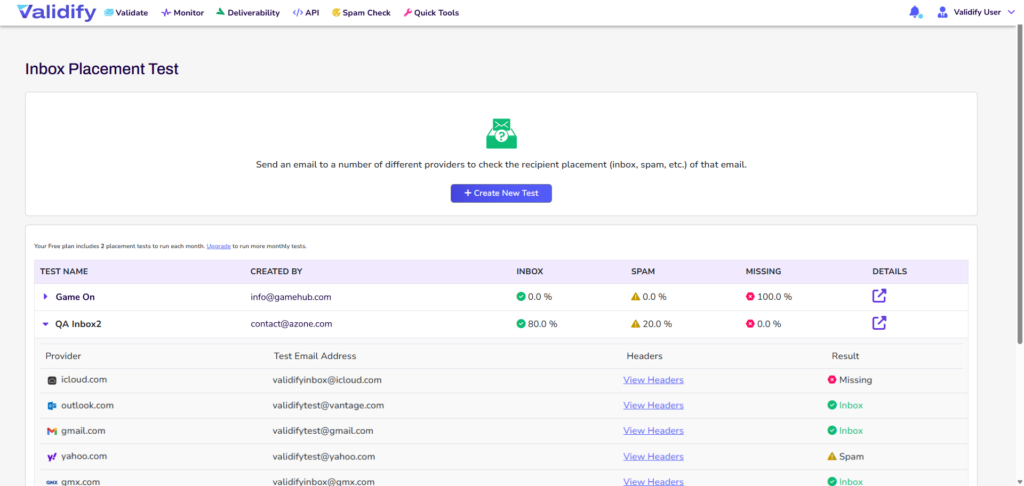
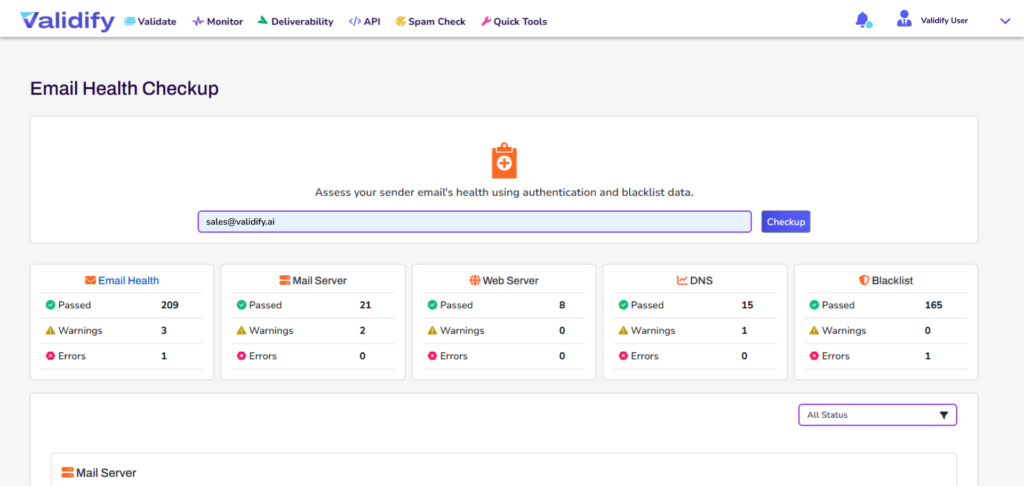
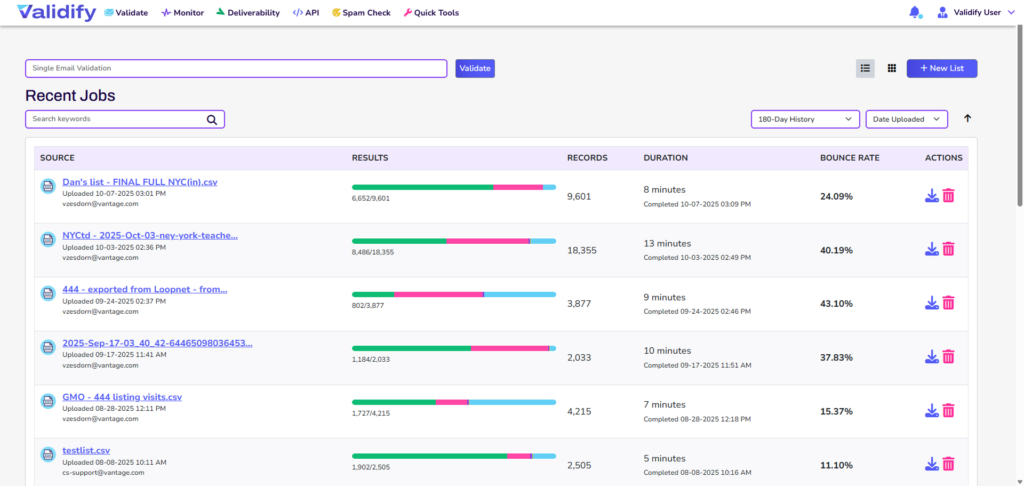
Validify.ai assists directly with these challenges through its next-generation email validation engine, which incorporates advanced checks to identify risky addresses, reduce bounces, and safeguard sender reputation. It also offers real-time validation at sign-up points, bulk list cleaning, and deliverability tools like inbox placement testing and health checks—helping ensure emails reach inboxes rather than spam folders. For businesses serious about clean lists and consistent performance, platforms like Validify.ai provide the practical edge needed today.